
Lessons from the Olive Tree


August 14, 2026 | Maja Randall

Introduction

The most profound teachers in life are often those that never demand our attention. They do not speak in loud, insistent voices, nor do they seek the hollow recognition of the modern world. Instead, they simply endure, season after season, quietly embodying qualities that have become increasingly rare: patience, resilience, and a quiet, steadfast grace. The olive tree is perhaps the greatest of these silent mentors.

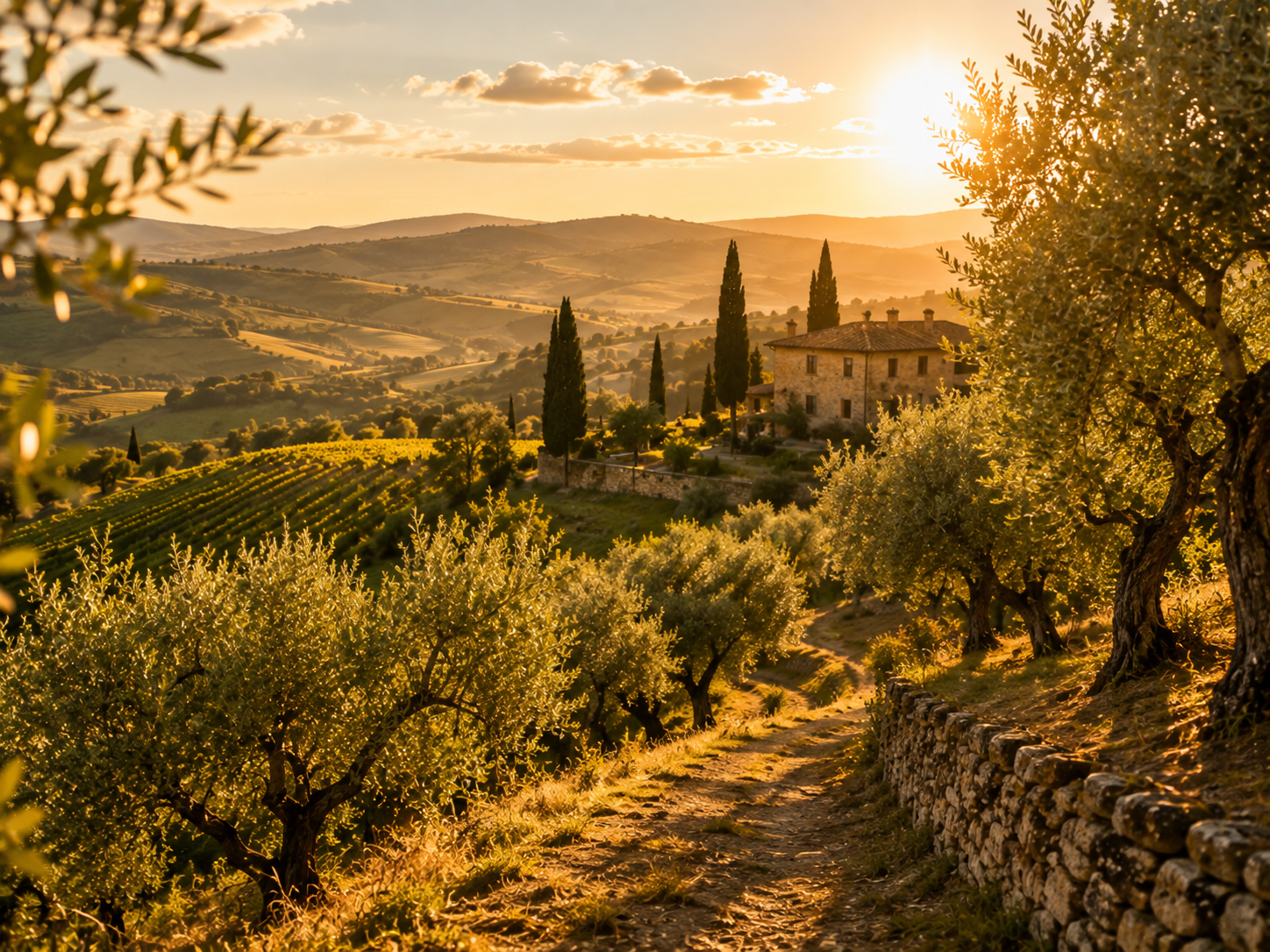
  1. Across the rolling Italian countryside, these trees are more than mere foliage; they are the very soul of the landscape. They dot the hillsides of Tuscany, line the dusty country roads of Puglia, and stand as sentinels beside ancient stone farmhouses. To the casual visitor, their silvery leaves and twisted silhouettes are a beautiful aesthetic. But to those who have lived in their shadow, they represent a living testament to the virtues of endurance.

    Consider the sheer longevity of an Italian olive grove. Some of these trees are astonishingly old—ancient witnesses to the passage of time. Generations have come and gone beneath their boughs; wars have been waged and forgotten; governments have risen and fallen; and entire ways of life have evolved into history. Yet the trees remain, resolute, continuing to offer their fruit long after the hands that planted them have returned to the earth.

  2. The olive tree's beauty is inseparable from its struggle. Unlike plants that require pampered conditions, the olive thrives in the face of adversity. It withstands the blistering Mediterranean heat, the sting of rocky soil, and the relentless pull of strong winds. Its roots reach deep into the dark, unseen places of the earth to find sustenance where others would wither. It flourishes not because circumstances are ideal, but because it has mastered the art of adaptation.

    In our modern pursuit of comfort and instant gratification, we often view challenges as interruptions or failures. We want the harvest without waiting. But the olive tree offers a different wisdom: its character is sculpted by what it endures. The gnarled twists and deep contours of its trunk are not signs of deformity; they are the markings of survival. Each scar tells a story of persistence, reminding us that the qualities which make a life beautiful are often the hard-won results of the struggles we have weathered.

    This rhythm of steady, unhurried growth is deeply respected in Italian culture. The harvest is anticipated but never forced. Growers understand that the finest results—the most vibrant oil and the richest fruit—emerge only when nature is allowed its own pace. This patience extends to the community itself. Olive groves are frequently the work of multiple generations. Grandparents, parents, and children all gather to participate in the stewardship of the same trees, turning agricultural labor into a sacred bridge between the past and the future.

  3. Ultimately, the olive tree teaches us that a legacy is built through a thousand small, consistent choices. It does not seek rapid expansion or immediate reward, yet through its unwavering resilience, it achieves something eternal. It reminds us that there is profound dignity in growing slowly, and immense strength in remaining rooted.

    Like the ancient groves of Italy, a meaningful life is not built all at once. It is cultivated through the quiet seasons of waiting and the harsh seasons of endurance. It is the faith that what is growing beneath the surface—unseen and uncelebrated—will one day bear fruit that outlasts our own time. In the end, the measure of our success is not found in the speed of our journey, but in the depth of our roots and the legacy of peace we leave for the generations to follow.