



The Luxury of Time
August 20, 2026 | Maja Randall
Introduction
Luxury is traditionally defined by rarity: the glimmer of precious materials, the seclusion of exclusive destinations, or experiences reserved for a fortunate few. Yet, as modern life accelerates, a far more elusive luxury has emerged—time. This is not merely the measurement of hours on a clock, but the possession of unhurried time. It is the freedom to enjoy a conversation without glancing at a watch, to prepare a meal without the pressure of a deadline, or to simply exist beneath the silver leaves of an olive tree, watching the changing light sweep across a vineyard. The Italian countryside serves as a quiet, powerful reminder that time is, perhaps, life's most finite and valuable resource.
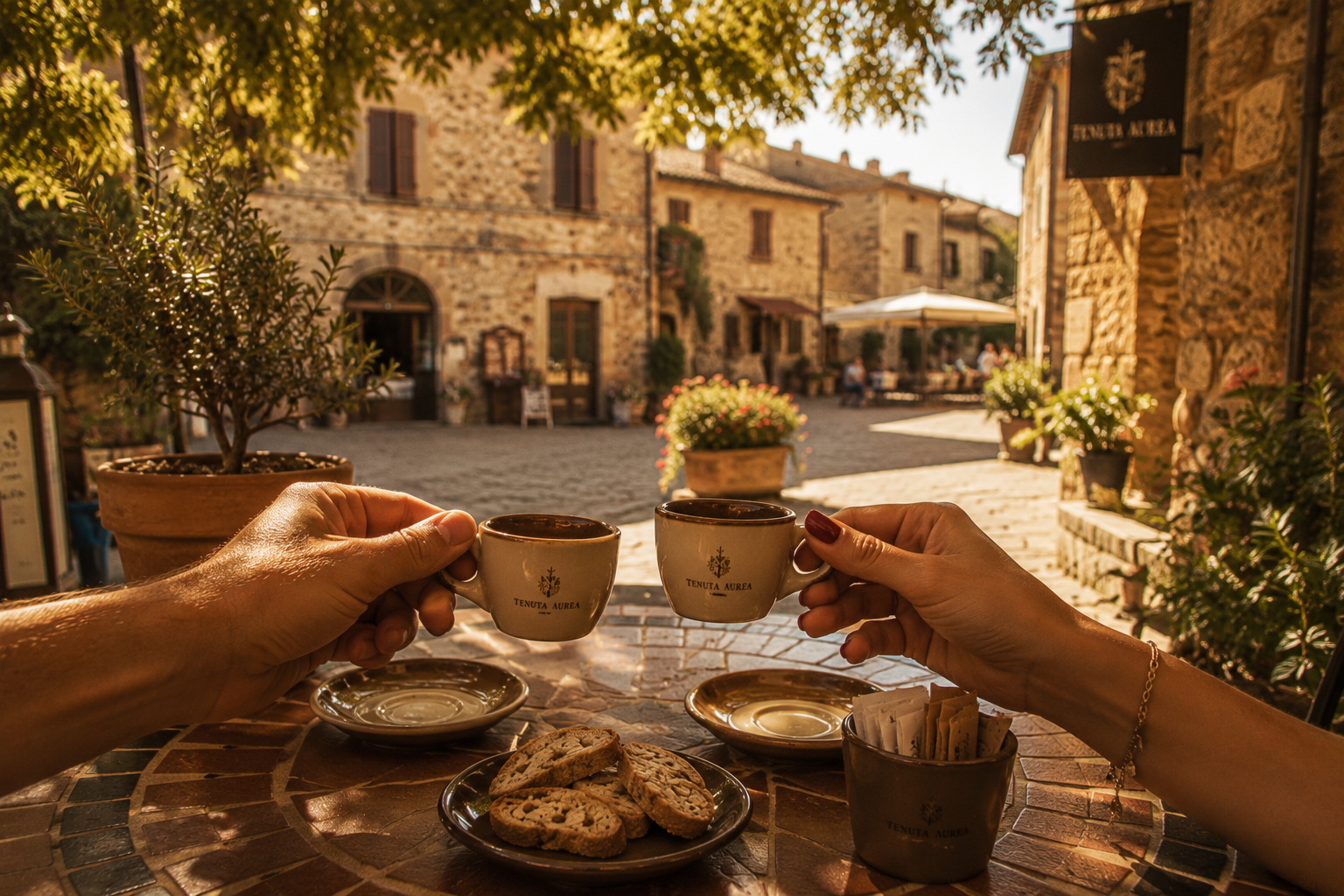
Unlike capital, time cannot be earned back once spent, and unlike material possessions, it cannot be stored for a future date. Every day presents the same twenty-four-hour opportunity, yet in our productivity-obsessed culture, those hours are often treated as a resource to be maximized rather than a life to be lived. When every moment is optimized for efficiency, weeks disappear in a compressed haze. The Italian philosophy of living offers a beautiful alternative: here, time is not something to manage, but something to experience. This perspective is woven into the ordinary—a morning coffee lingered over in the village square, or a shared lunch that stretches long into the afternoon, valued precisely because nothing else is demanding attention.

